


People’s health is an important hallmark of socialist modernization. Since the 18th National Congress of the Communist Party of China, the Party Central Committee with Comrade Xi Jinping at its core has adhered to a development philosophy centered on the people, placed people’s health in a strategically prioritized position, and continuously deepened reform of the medical and healthcare system while constantly improving the health-care system. As a result, China’s health-care endeavor has shifted from being “disease-centered” to “people-health-centered,” striving to provide comprehensive, all-round, and life-cycle–oriented guarantees for people’s health.
At the Chronic Disease Management Center of the General Hospital in Shaxian District, Sanming City, Fujian Province, a system is conducting dynamic analysis and assessment of health data for over 100,000 residents across the district, and providing differentiated management based on individual medical conditions. Three years ago, Hong Zhenggu, a villager from Shankou Village in Gaoqiao Town, was included in the chronic disease management program. Due to unstable blood pressure, the system issued an alert, after which Hong Zhenggu became a key patient under the close supervision of the village doctor. In addition to home visits for regular checkups, the doctor also prescribed dietary and exercise plans tailored to his specific needs.
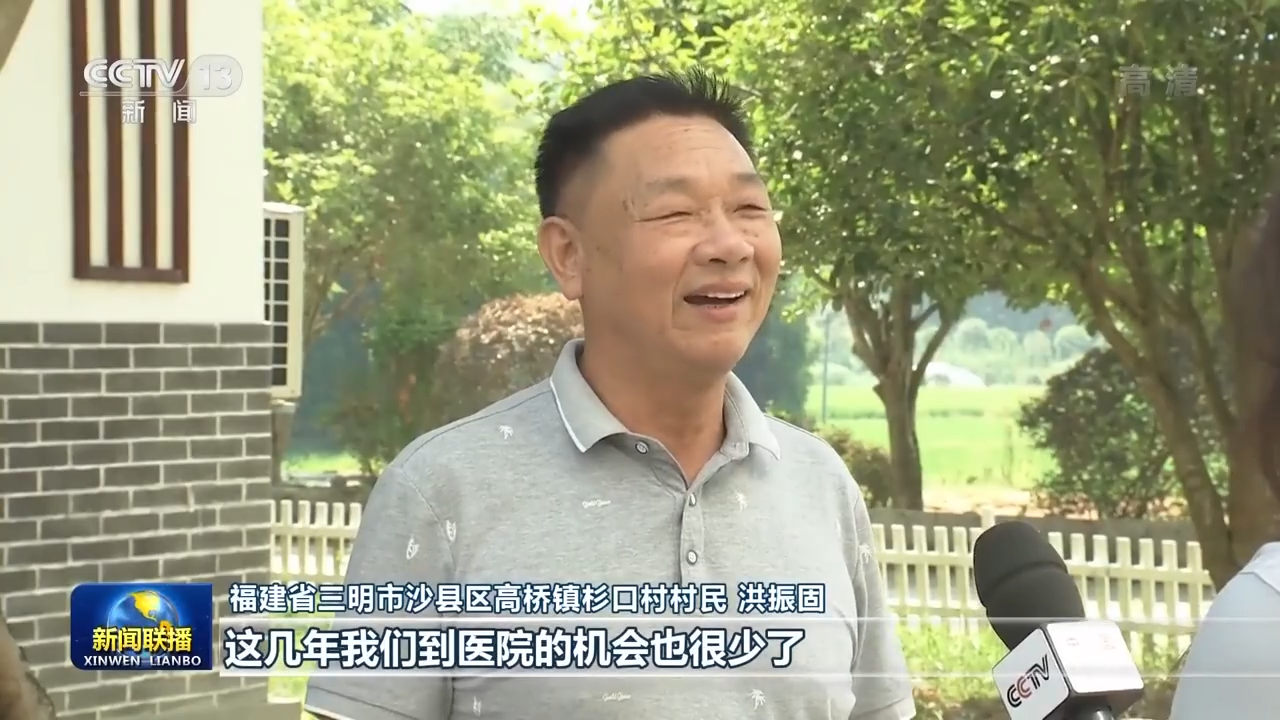
Hong Zhenggu, a villager from Shangkou Village, Gaoqiao Town, Shaxian District, Sanming City, Fujian Province: Now that the government’s policies are so great, let’s just enjoy them to the fullest—taking good care of our health. In recent years, we’ve had very few opportunities to go to the hospital.
Today, all 11 districts and counties in Sanming have established general hospitals and set up chronic disease management centers to provide residents with health management and monitoring services. A universal health security system that benefits everyone is now under construction. From a situation where the medical insurance fund was on the verge of running out of funds and becoming unsustainable, to a current accumulated surplus exceeding 2 billion yuan—over the past decade, Sanming’s healthcare reform has targeted the excessively high prices of drugs and medical consumables, addressing the long-standing “chronic ailment” of massive waste in the medical insurance fund. By breaking away from the practice of using drug sales to subsidize hospital operations and eliminating layers of inflated markups, Sanming has cumulatively reduced spending on drugs and consumables by more than 15.8 billion yuan over the past decade. At the same time, the reform has revamped the income distribution system for hospitals and doctors, raised medical service prices, and significantly increased the transparent incomes of medical personnel.
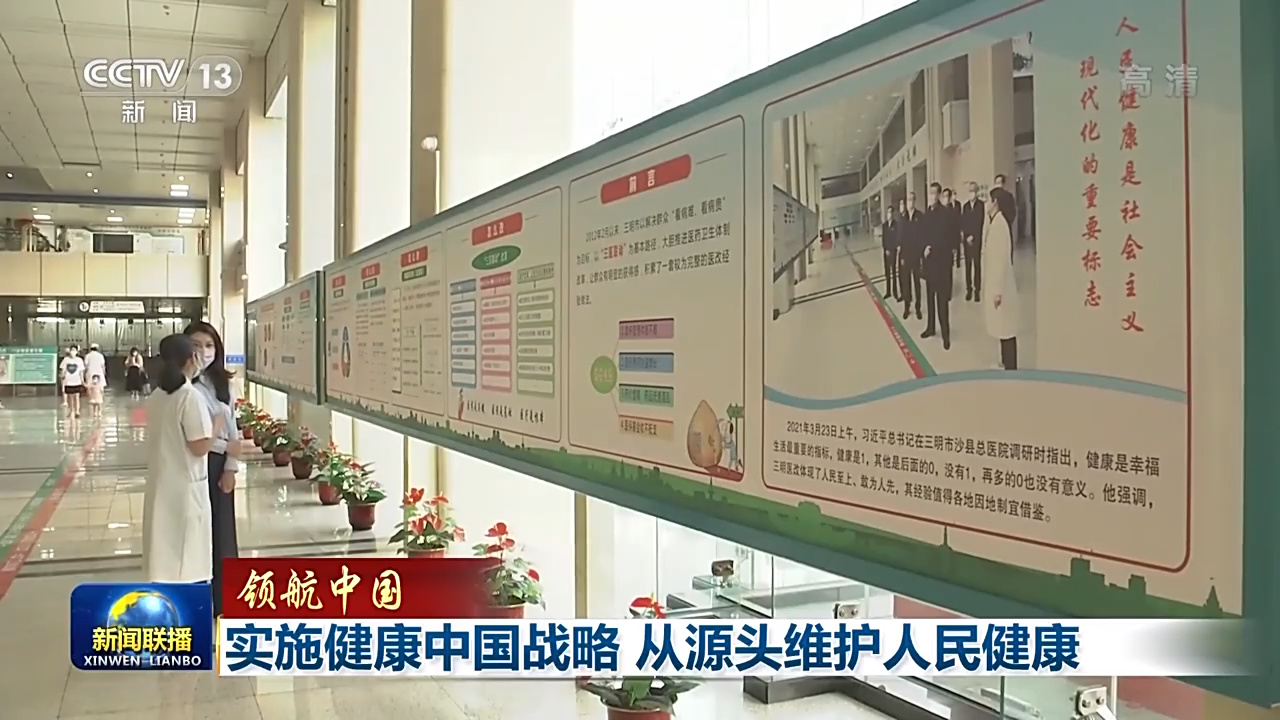
Since the 18th National Congress of the Party, the Party Central Committee with Comrade Xi Jinping at its core has consistently placed people’s health in a strategic position of priority development. In March 2021, General Secretary Xi Jinping visited the General Hospital of Shaxian District in Sanming City to gain firsthand insight into how healthcare reform is benefiting the people. At that time, in the outpatient hall, teacher Weng Hua from Shaxian District showed the General Secretary his medical insurance account, which still had a balance of over 10,000 yuan.
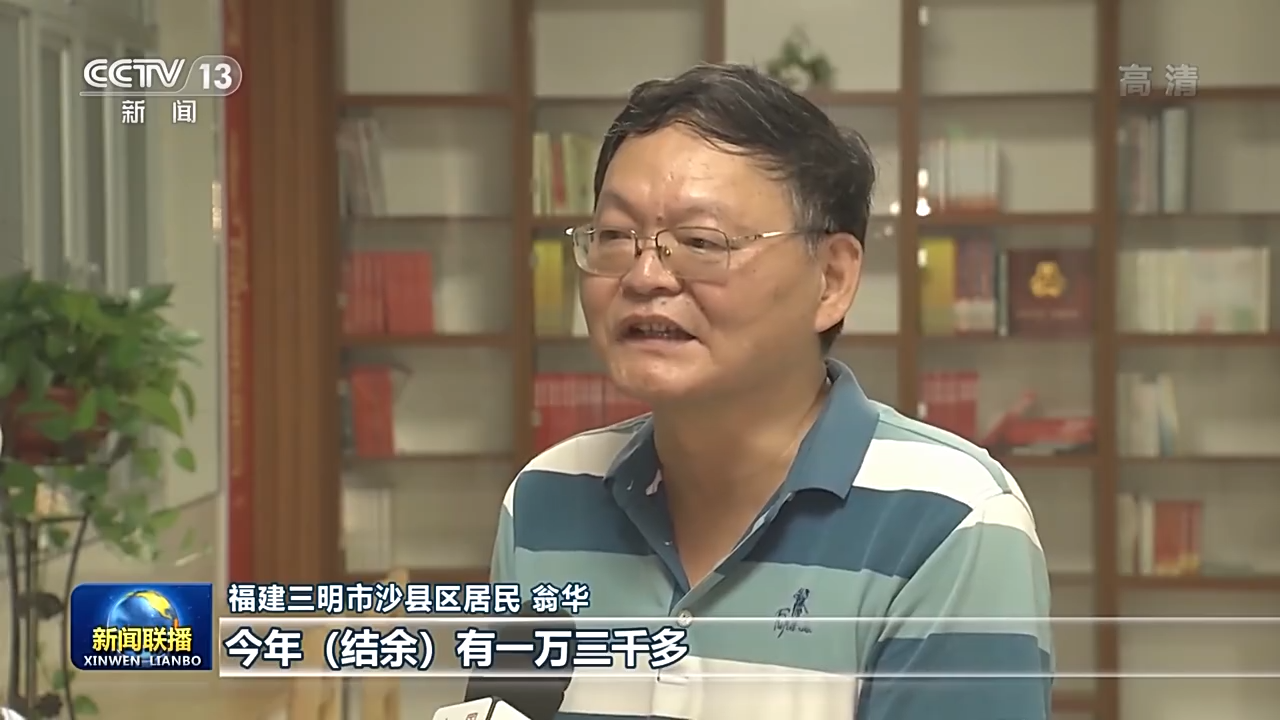
Weng Hua, a resident of Shaxian District, Sanming City, Fujian Province: The General Secretary also asked why there was a surplus in the medical insurance account. I explained that first, the reimbursement ratio has been increased; second, the individual deductible has been lowered; and third, drug prices are very affordable. Last year, the surplus was just over 10,000 yuan, but this year it’s more than 13,000 yuan—so it’s even higher than last year’s surplus.
Without universal health, there can be no moderately prosperous society in all respects. At the Fifth Plenary Session of the 18th Central Committee, the Party Central Committee with Comrade Xi Jinping at its core made the major decision to “promote the building of a Healthy China.” At the First National Health and Health Conference, the guiding principle for national health and health work in the new era—“shifting from a disease-centered approach to a people-health-centered approach”—was clearly articulated. From the release of the “Healthy China 2030” Planning Outline to the comprehensive deployment of the “Healthy China Strategy” outlined in the report to the 19th National Congress, the top-level design, overall strategy, and implementation pathways for building a Healthy China have been continuously clarified.

Over the past decade, China has seen continued and deepened reforms of its medical and healthcare system, and the challenges of difficult and expensive access to medical care for the general public have been rapidly addressed. For the first time in history, China has comprehensively dismantled the outdated practice of using drug sales to subsidize medical services, and has steadily promoted the shift from a “disease-centered” approach to a “people-health-centered” one.
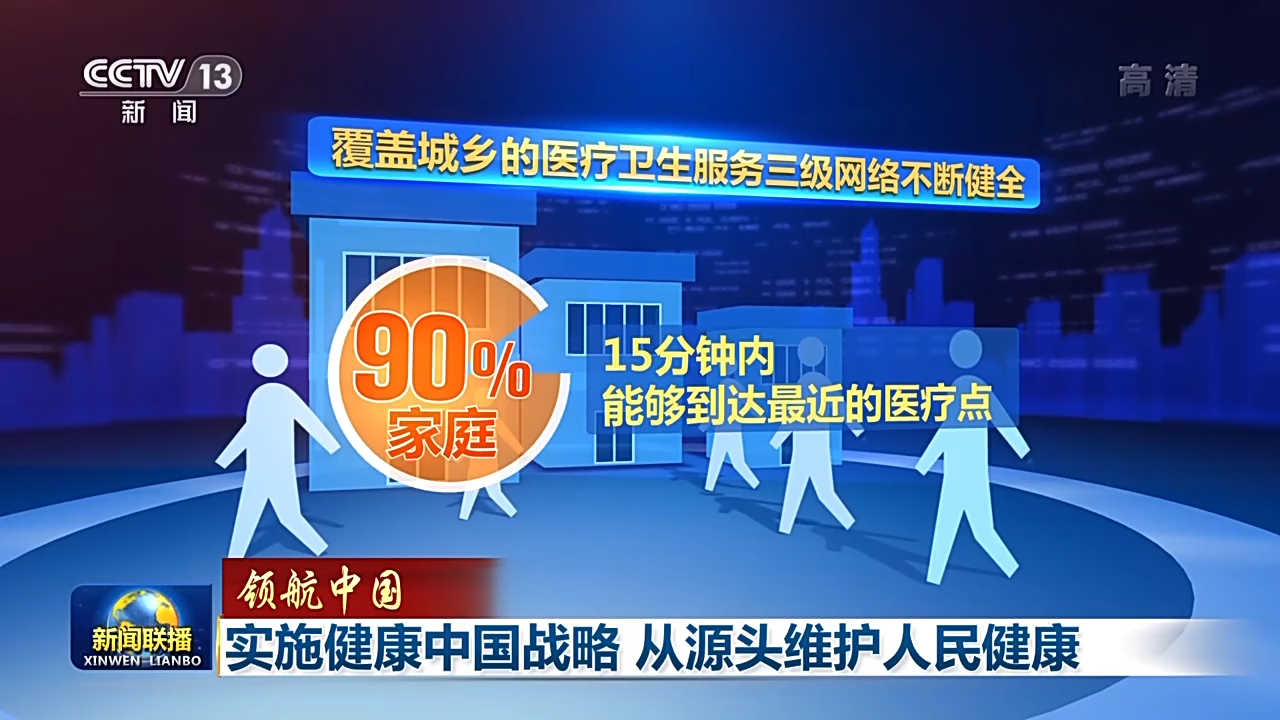
The difficulty that the public faces in accessing medical care has been effectively alleviated. The three-tiered healthcare service network, covering both urban and rural areas, continues to improve, with 90% of households able to reach the nearest medical facility within 15 minutes.
The issue of high medical costs for the public has been alleviated. The number of varieties included in the National Essential Medicines List has increased to 685. The number of people covered by basic medical insurance has exceeded 1.36 billion, and the proportion of personal health expenditures by residents in total health expenditures has dropped to 27.7%, the lowest level in the past 20 years.
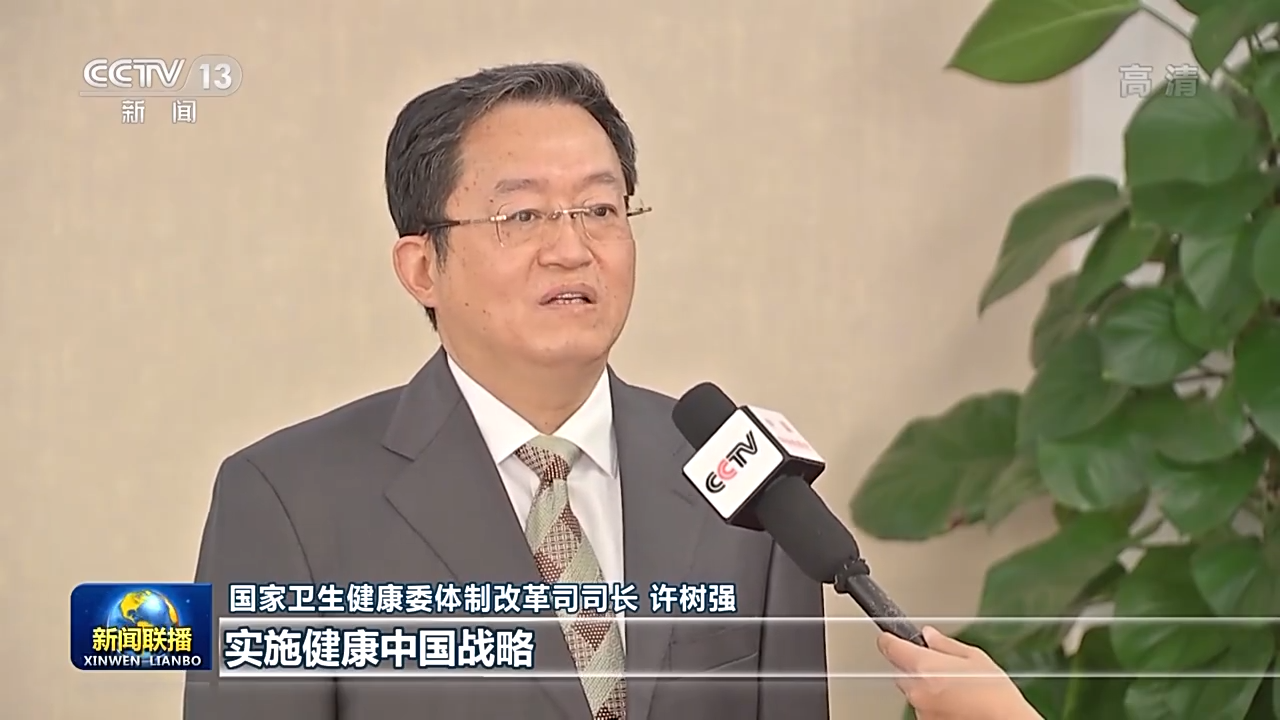
Xu Shuqiang, Director of the Institutional Reform Department of the National Health Commission: The Party Central Committee, with Comrade Xi Jinping at its core, has launched the Healthy China Initiative—a groundbreaking effort to safeguard people’s health from the very source. We must unswervingly deepen reform of the medical and healthcare system and continuously improve the quality of medical services, thereby laying a solid health foundation for realizing the Chinese Dream.
Editor-in-charge: Xu Rongguang_0999
