
Which is better for lithium batteries: ternary or lithium iron phosphate? What are the advantages and disadvantages of lithium iron phosphate batteries and ternary lithium batteries?
Release time:2022-09-09


Three Yuan Lithium-ion batteries and lithium iron phosphate batteries each have their own advantages. Given that their prices are roughly comparable, you can simply choose the type that best suits your driving environment. If the local climate is relatively cold, go for a ternary lithium battery. This is because ternary lithium batteries perform well in low temperatures— even in weather as cold as minus 20 degrees Celsius, their heating performance can still reach over 70%.
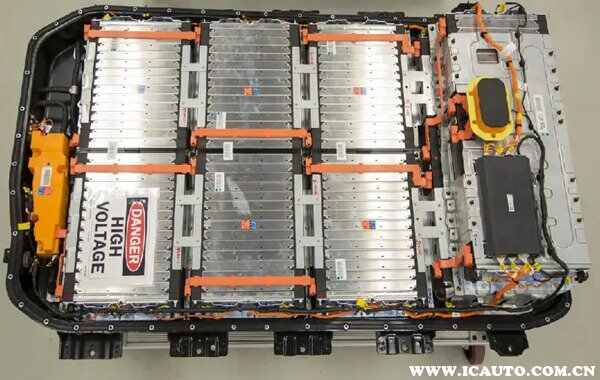
On the contrary, if the local climate is relatively hot, you can opt for lithium iron phosphate (LFP) batteries. This is because LFP batteries have excellent thermal stability and can withstand temperatures as high as 800 degrees Celsius or more before experiencing thermal runaway—meaning they virtually never spontaneously combust in hot climates. By contrast, lithium-ion batteries have a thermal runaway temperature of only around 200 degrees Celsius, making them somewhat risky in hot regions.
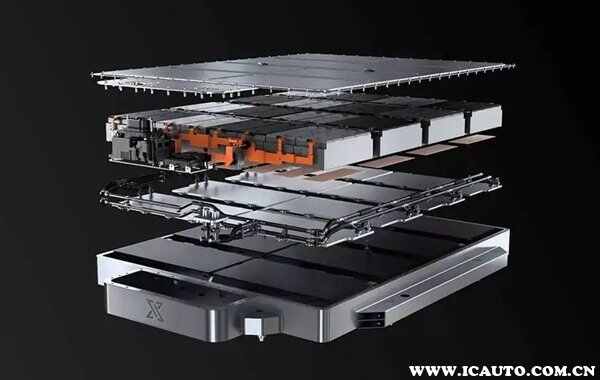
As for service life, lithium iron phosphate batteries do indeed last longer than ternary lithium batteries—but there’s no need to worry about this. For passenger vehicles, whether it’s a ternary lithium battery or a lithium iron phosphate battery, the rated lifespan of the power battery far exceeds the actual usage patterns of most users.

Advantages and Disadvantages of Lithium Iron Phosphate Batteries and Ternary Lithium Batteries
1. Energy Density: The energy density of ternary lithium batteries is about 1.7 times that of lithium iron phosphate batteries. Consequently, ternary lithium batteries are smaller in volume and lighter in weight than lithium iron phosphate batteries, resulting in a lower vehicle payload.
2. Safety Performance: Lithium iron phosphate batteries perform better in nail-penetration tests, and they also exhibit significantly greater stability than ternary lithium batteries under high-temperature conditions. This means that ternary lithium batteries naturally account for a larger proportion.
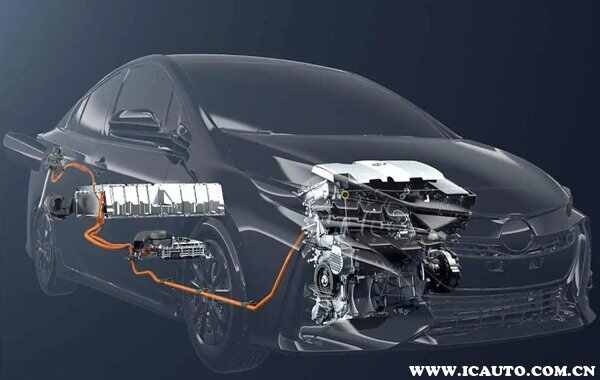
3. Service Life: During the process of battery capacity declining from 100% to 80%, lithium iron phosphate batteries can achieve a charge-discharge cycle life of over 3,500 cycles, whereas ternary lithium batteries can only manage around 2,500 cycles. Moreover, at the same number of cycles, lithium iron phosphate batteries will retain more remaining capacity than ternary lithium batteries.
4. Low-temperature performance: The extreme operating temperature for lithium iron phosphate batteries is -20°C, whereas for ternary lithium batteries it’s -30°C. Moreover, under the same low-temperature conditions, lithium iron phosphate batteries experience greater capacity degradation than ternary lithium batteries.
The previous one
The previous one
More blogs

Room 1010, South Tower, Xinda City Plaza, No. 27, Second Horizontal Road, Shuiyin Road, Yuexiu District, Guangzhou, China