
China will build the world’s largest railway station, with a planned area equivalent to 30 Tiananmen Squares—right here in Guangzhou.
Release time:2022-09-09


China is set to build the world’s largest railway station, with a planned area equivalent to 30 Tiananmen Squares. Even today, Guangzhou Railway Station has become an indispensable part of people’s daily lives. As an essential component of urban transportation, every city has its own distinctive railway station. As our aesthetic demands continue to rise, have you noticed that in recent years, many newly built stations have adopted strikingly bold and distinctive design elements? After all, a railway station can be considered a city’s “face”—the very first impression that newcomers to the city have of it. That’s why today, many stations are architectural marvels that combine grandeur with exquisite design, leaving visitors awe-struck at first glance. Today, our editor would like to introduce you to the world’s largest railway station—a project that will soon be completed, surpassing even the former New York Penn Station.
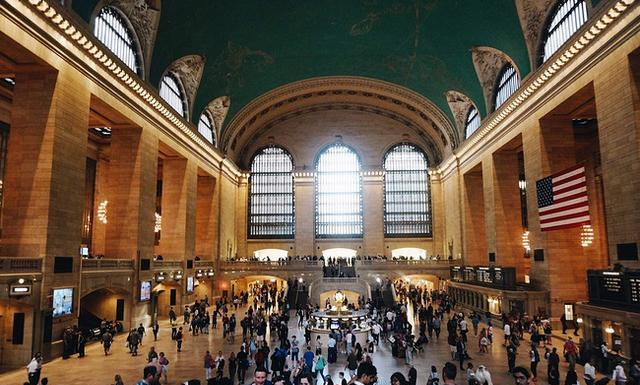
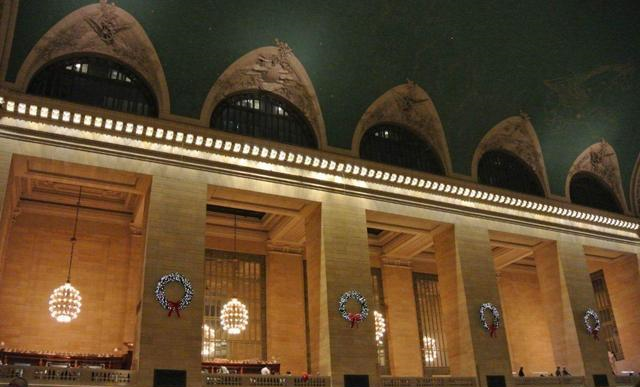
So, do you know which is now the largest train station in the world? It’s located in New York, USA. We can see this Grand Central Terminal featured in numerous movie scenes and American travel documentaries. In fact, beyond its role as a transportation hub handling massive passenger volumes, this station also boasts a uniquely distinctive architectural style and aesthetic design. What’s more, this station wasn’t built just recently—it was completed way back in 1913! Today, it’s like a giant public art space, where you’ll find fashionable elements everywhere you look inside the station.
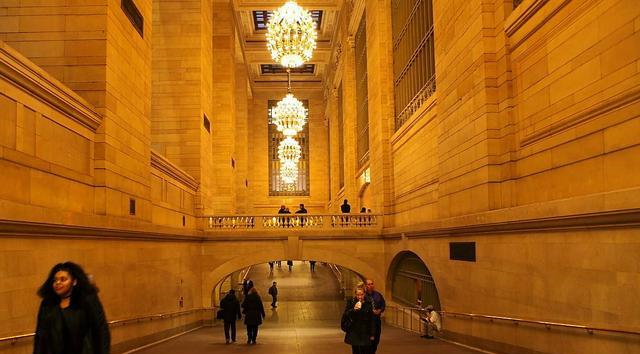
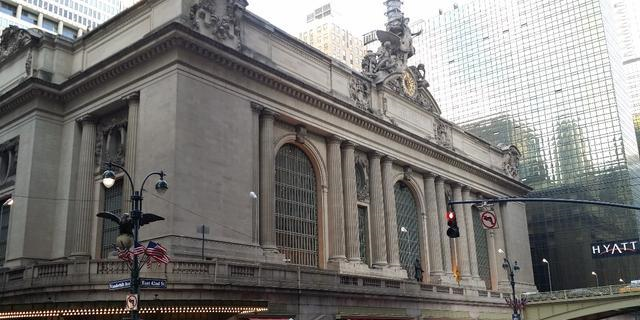
However, the Central Station—currently boasting a site area of 190,000 square meters and impressive passenger throughput—will soon be eclipsed by another railway station, thus relinquishing its title as the world’s largest station. Replacing it will be a brand-new railway station currently under construction in China: Guangzhou New Station.
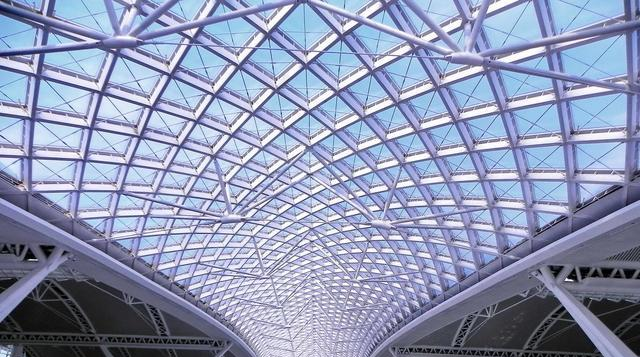
This massive station was designed by Terry Farrell, a British architect who also designed Beijing South Station. According to data that has now been made public, the planned area of the new station is downright staggering—11.4 million square meters, equivalent to 30 Tiananmen Squares. Even just the sheer size of its initial phase is nearly ten times larger than that of the Central Station. The station is located in Shibi, Panyu; it’s being called the “New Station” for now because its official name hasn’t been finalized yet.
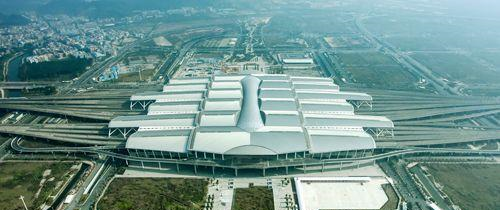
As the world’s largest railway station, its construction and associated costs are also enormous. The estimated investment for its construction is around 13 billion yuan. Once completed, this station will become one of the most important transportation hubs in the entire Zhuhai economic zone. At that time, if you’d like to take a train from Guangzhou City, you’ll have five metro lines available for reaching the station within the city. If you choose to drive, there’s also a direct highway leading right into the station premises—making travel incredibly convenient.
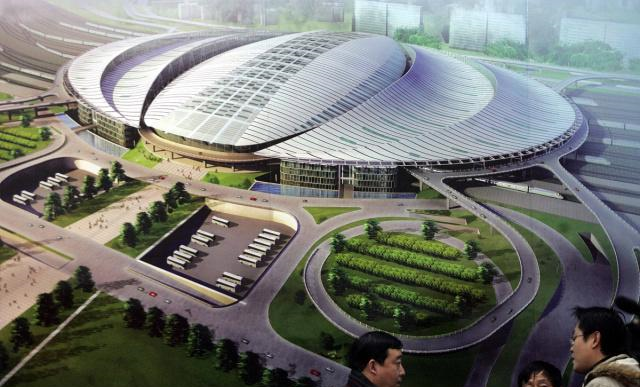
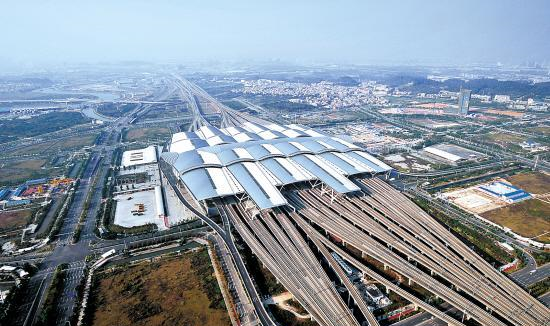
This station has a theoretical annual passenger throughput of up to 170 million, which is more than the entire population of Guangdong Province. Once completed, it will significantly relieve passenger pressure on other stations in the Guangdong region. For our country, this station also holds certain strategic significance.
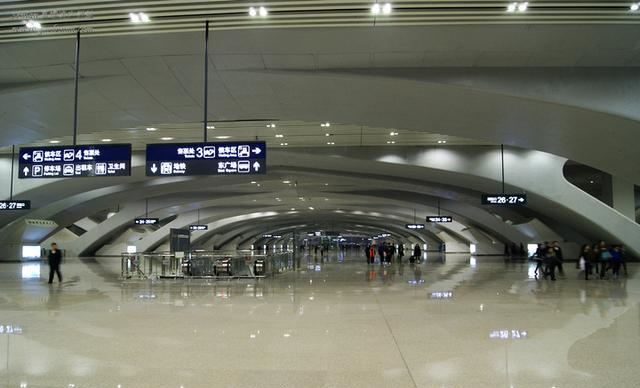
According to the disclosure, it will take roughly another 10 years to complete the construction of this station. Considering how massive this project is, 10 years isn't actually that slow at all. After all, back in the day, it took 10 years to build the Grand Central Terminal as well. Good things take time—slow and steady wins the race. We’re confident that in ten years’ time, when the station is finally completed, it will present a completely new and vibrant atmosphere.
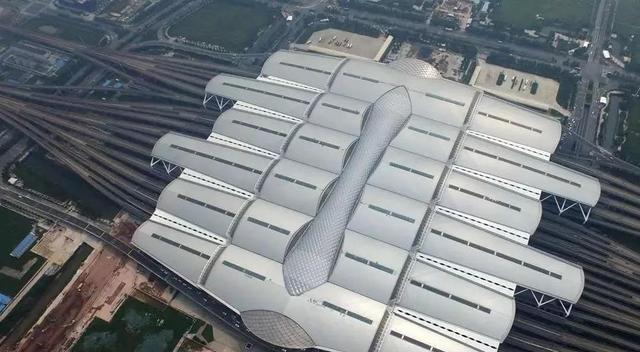
Have you ever been to Guangzhou? What impression did this super-first-tier city leave on you? Are you looking forward to the brand-new Guangzhou station in the future?
More blogs

Room 1010, South Tower, Xinda City Plaza, No. 27, Second Horizontal Road, Shuiyin Road, Yuexiu District, Guangzhou, China