


“Space exploration is endless—hello, everyone!” This warm and familiar opening line came from Chen Dong, Liu Yang, and Cai Xuzhe—the “three astronauts” of Shenzhou-14’s mission. As they “flew” into view of the camera, under the watchful eyes of millions, they kicked off the third session of the “Tiangong Classroom.”
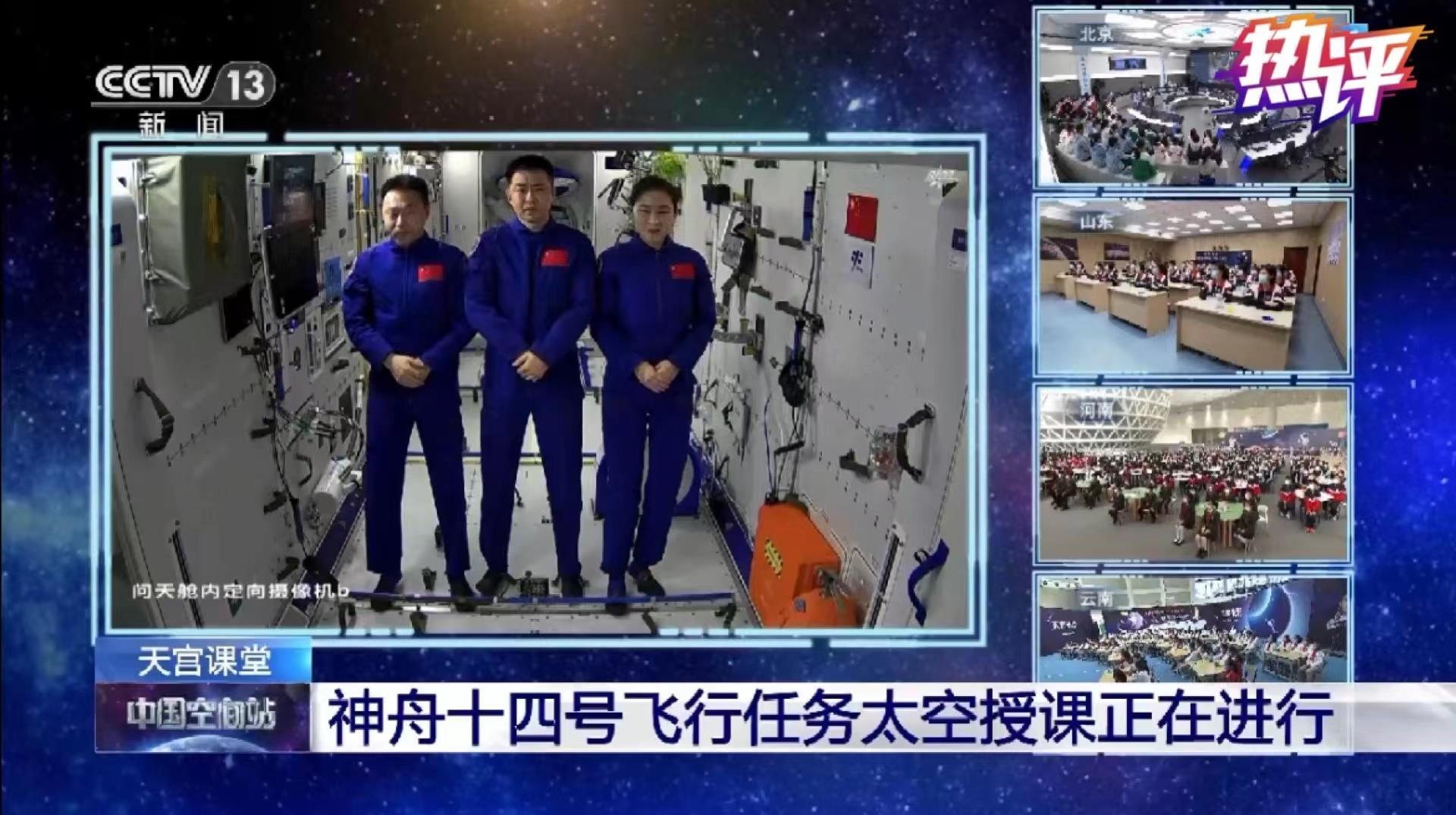
Since its launch, the “Tiangong Classroom” has successfully held two space-based lessons—in December last year and March this year—sparking great interest in science among many young people. This is the first time that the three astronauts aboard Shenzhou-14 have conducted a space lesson after spending more than four months living aboard the space station. Besides the brand-new “space teachers,” what other “cosmic-level” innovations does this “Tiangong Classroom” bring?
First and foremost—and most intuitively—we’re welcoming a brand-new “classroom.” In the previous two “Tiangong Classes,” the Tiangong core module served as the classroom. This time, right from the start of the class, the “space teachers” introduced and showcased China’s Wentian experimental module of the space station. Not long ago, aboard the newly configured space station complex, the Shenzhou-14 crew celebrated the National Day holiday joyfully, sending their heartfelt birthday wishes to our motherland. There’s the sleeping area designed for “vertical sleeping,” the living quarters equipped with space kitchen facilities, the “space bicycle” transferred from the Tiangong core module, the experimental zone housing the Life and Ecological Experiment Cabinet and the Biotechnology Experiment Cabinet... With the launch of this “Tiangong Class,” we’ve gained an even closer glimpse into the astronauts’ rich and varied daily life and work in space.
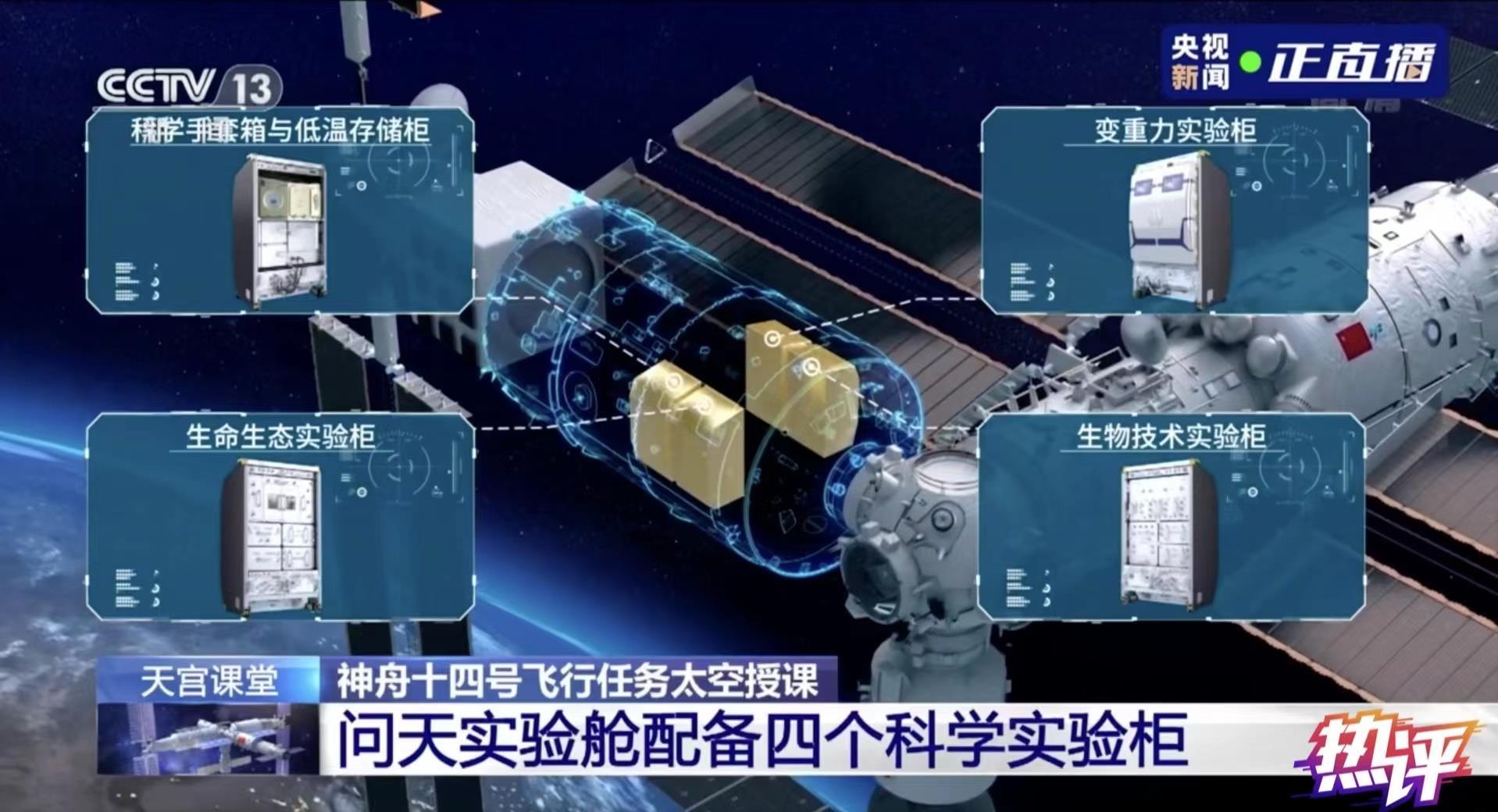
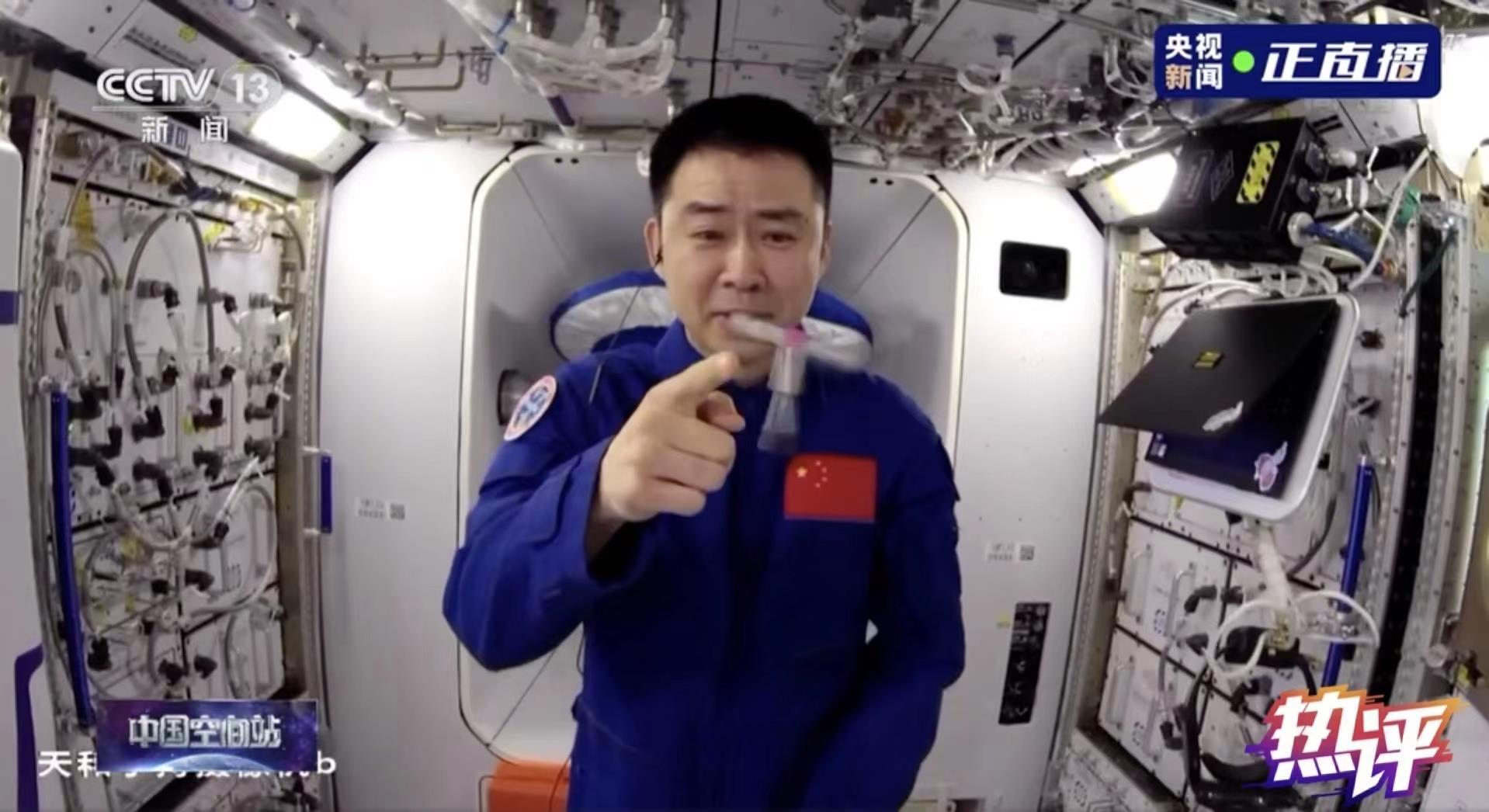
“The Chinese space station is always worth looking forward to!” “The new space classroom is here again! Grab your little stools and listen carefully…” It’s not hard to notice from netizens’ comments that the brand-new content of this “Tiangong Classroom” is incredibly captivating. Why does a water sphere containing a hollow steel ball become “lazy”? Why is it effortless to drink mango juice through a 2-meter straw? How come a T-shaped wrench can “flip itself over”? And why, in a microgravity environment, can Arabidopsis roots still penetrate the soil? The “space-based” classroom aboard the Wentian experimental module interacts in real time with ground-based classrooms set up at the Center for Space Applications Engineering and Technology of the Chinese Academy of Sciences, as well as in Shandong, Henan, and Yunnan provinces. This live interaction allows both on-site participants and viewers watching the livestream—especially primary and secondary school students—to encounter cutting-edge science in a more intuitive and vivid way, gaining insight into the mysteries of the universe and experiencing the joy of exploration.
This year marks the 30th anniversary of China’s manned space program. Not only has the aerospace industry achieved remarkable breakthroughs in scientific and technological innovation time and again, but also science popularization related to space exploration has steadily improved. Today, the “Tiangong Classroom” is gradually becoming a national brand for space science education in China. Behind each new episode of the “Tiangong Classroom” lies meticulous preparation and dedication. Although each space science lesson is relatively short, it requires exceptionally robust technological support. Whether compared to the first space lecture delivered aboard Tiangong-1 in 2013 or to the first two “Tiangong Classroom” sessions held late last year and early this year, this latest session boasts a larger lecture space and richer content. The consistent stability and smooth transmission of both video and audio throughout the session are made possible by technologies such as dual relay satellites that provide continuous tracking and monitoring. With extra effort on the ground, there’s more composure in space. Every step forward in the “Tiangong Classroom” reflects breakthroughs in China’s aerospace endeavors as well as advancements and innovations across a wide range of scientific and technological fields in our country.
“How do you become an astronaut?” This was the question posed by a student at the Beijing venue to the “space teacher”—a query that resonates with the aspirations of many young people. Reaching for the heavens and learning from the Tiangong space station, these cutting-edge, highly engaging space-based lessons not only deepen the public’s understanding and support for China’s aerospace endeavors and other major scientific initiatives but also nurture scientific curiosity and ignite dreams of space exploration. Above all, they plant in the hearts of young people the seeds of reverence for science, a thirst for exploring the unknown, and the courage to innovate.
